Why Two-Step Paint Correction Is Non-Negotiable Before Ceramic Coating
Most ceramic coating jobs fail before the coating is ever opened. Here is why the preparation determines everything.
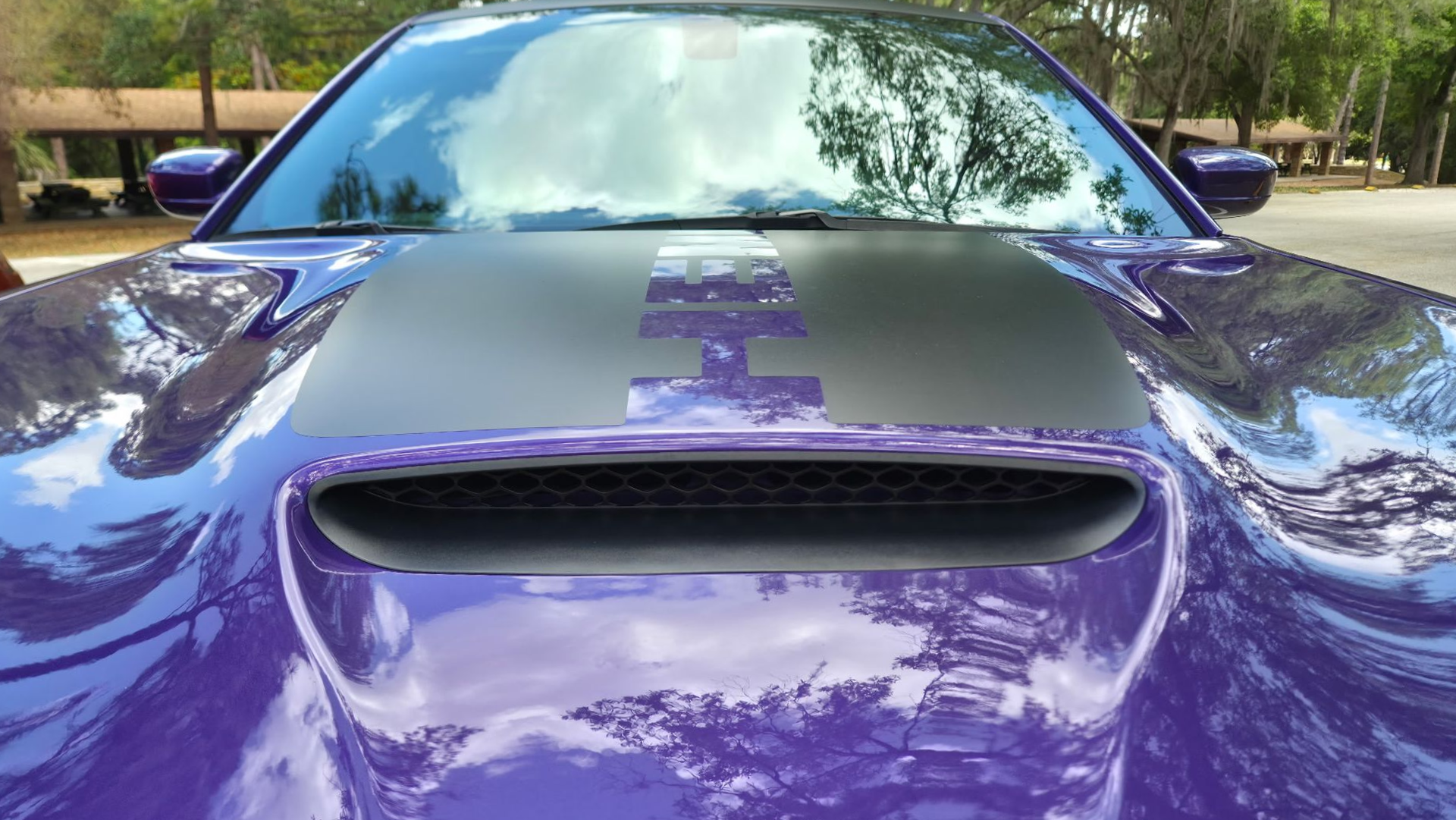
Two-step paint correction removes paint defects in two separate stages before ceramic coating is applied. The first step uses a cutting compound to eliminate scratches, oxidation, and surface damage. The second step uses a finishing polish to restore clarity and depth. Skipping either step compromises how the coating bonds and how long it holds.
Why One-Step Paint Correction Fails Before Ceramic Coating
Walk into any auto parts store and you will find products that combine a cutting compound and a polish in a single bottle. The marketing promises correction and polish in one pass. The result is neither done properly.
A one-step product cannot remove light to medium scratches deeply enough to create a clean bonding surface. It cannot address moderate oxidation the way a dedicated cutting compound can. When ceramic coating is applied over paint that has not been fully corrected, two things happen. The defects that were already there become more visible under the coating because the ceramic amplifies depth and gloss. And the coating has nothing clean and level to bond to, which shortens its useful life significantly.
Here is the clearest way to understand it. Washing your face and moisturizing your face are two separate steps for a reason. You cannot deep clean your pores and seal moisture into your skin at the same time. Your vehicle's paint works the same way. Correction removes what is in the surface. Polish prepares what is underneath. They are not the same action and they cannot be performed by the same product in the same pass.
What Two-Step Paint Correction Actually Involves
Step One: Paint Correction: 4 to 5 Hours
The first step uses an aluminum oxide cutting compound paired with a firm correction pad on a high-speed machine. The combination of heat and friction removes light to medium scratches, spider webbing, oxidation, water spots, and surface defects from the paint. This step levels the paint surface so there is nothing left for the ceramic coating to seal in.
This stage takes 4 to 5 hours depending on the condition of the paint. It cannot be rushed. The machine, the compound, and the pad are working at a level of precision that requires time. Cutting corners here means cutting into the quality of everything that follows.
Step Two: Machine Polishing: 3 to 4 Hours
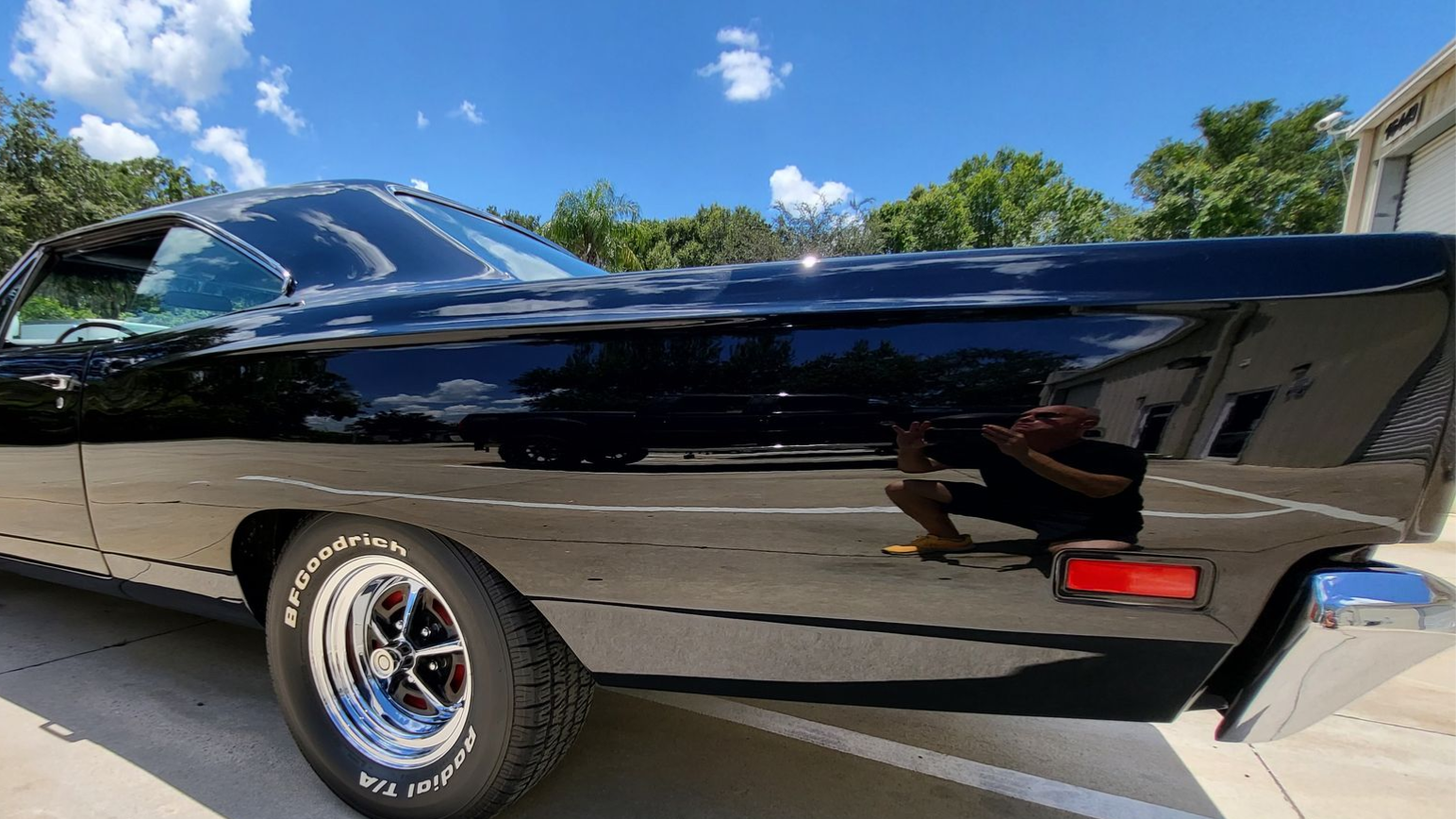
After correction, a 100 percent liquid polish paired with a softer polishing pad is applied at high speed. This step removes any micro-marring left by the correction stage and reveals the true color depth of the paint. This is where the gloss comes back. On a vehicle with dark paint or original single-stage lacquer, this step reveals depth the owner may not have seen in years.
More importantly, machine polishing creates the surface condition that allows ceramic coating to bond correctly. The paint is smooth, clear, and chemically clean. When the coating is applied to that surface it bonds to what the paint actually is, not what remains after a one-step shortcut.
How Paint Correction Affects Ceramic Coating Performance
Ceramic coating bonds to whatever surface it is applied to. That is not a selling point. It is a technical fact that cuts both ways. Applied over properly corrected and polished paint, it bonds to a level, clean, optically clear surface and performs the way it was designed to perform. Applied over paint that has been through a one-step product, it bonds to a surface that still has contamination, micro-marring, and incomplete correction in it.
The result of skipping proper correction is not just cosmetic. A coating applied over incompletely corrected paint will begin to lift and separate from the surface faster than it should. The bond is compromised from the moment it cures. The protection you paid for starts degrading before the coating has had a chance to prove itself.
Two-step paint correction is not an upsell. It is the preparation that makes the coating worth applying in the first place.
This post was written by Steve Calafato, NanoPro Certified Expert and owner of Resurrection Auto Detailing LLC. Steve has performed two-step paint correction on classic, collector, performance, and new vehicles throughout Pinellas County and Tampa Bay since 2016. He applies NanoPro Borograph ceramic coating exclusively, a professional-grade product manufactured in Boynton Beach, Florida and formulated specifically for Florida UV, heat, and humidity.
FAQs
Frequently Asked Questions
Can a ceramic coating hide scratches and swirl marks?
No. Ceramic coating does not hide paint defects. It makes them more visible because it increases gloss and clarity. If swirl marks, scratches, or oxidation are still in the paint, the coating will lock them in and often make them stand out even more.
Why do some ceramic coating jobs fail within a year?
Most early ceramic coating failure comes from poor paint correction. If the paint was only given a quick one-step correction, or no correction at all, the coating cannot bond correctly. It may start losing gloss, water beading, and protection much sooner than expected.
Does a newer vehicle need less paint correction than an older one?
Usually yes, but new vehicles still need correction. Even brand-new vehicles often have dealership swirl marks, spider webbing, transport scratches, and light paint defects. A newer vehicle may only require a lighter correction process, but it still needs to be properly prepared before coating.
Why does proper paint correction take so long?
Because the defects have to be physically removed from the paint, not covered up. A proper two-step correction involves multiple machine passes, different compounds, different pads, and careful inspection under lighting. There is no way to do that correctly in a couple of hours.
Share
GET STARTED
Your Vehicle
Your Location
My Standards
Paint correction. NanoPro LPF. NanoPro Borograph ceramic coating.
Steve Calafato | NanoPro Certified Expert | Pinellas County & Tampa Bay
TAP TO CALL | BY APPOINTMENT