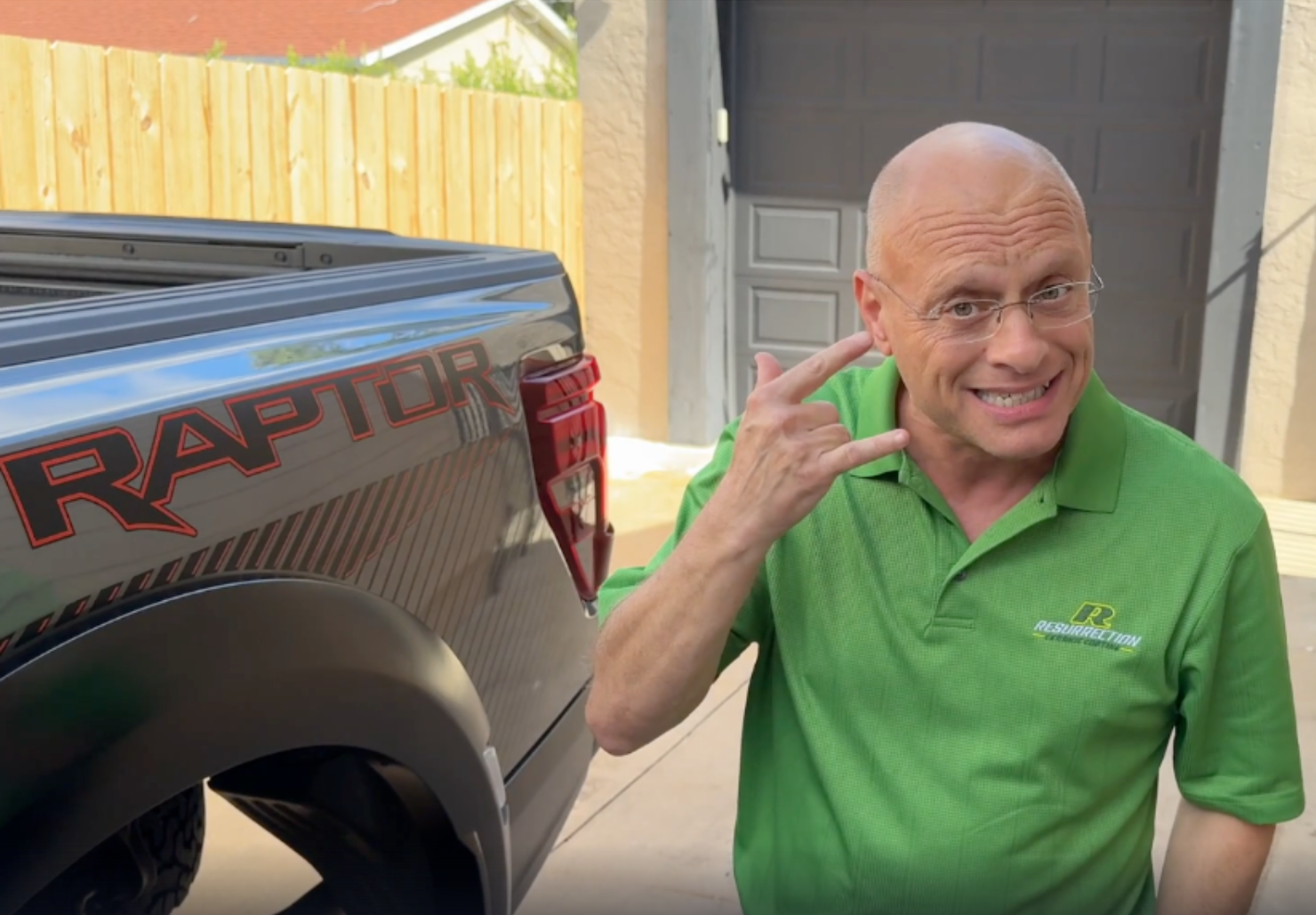
NANOPRO CERTIFIED EXPERT | STEVE CALAFATO | PINELLAS COUNTY AND TAMPA BAY
PAINT CORRECTION TAMPA
True Preservation Starts With Precision Correction
Two-step paint correction for classic, collector, performance, and new vehicles.
Every ceramic coating application I perform starts here.
Two Step Paint Correction | Swirl Marks, Spider Webbing, & Oxidation Removed | NanoPro® Certified Expert | Service Performed at Your Location
THE FOUNDATION
What Is Paint Correction?
Paint correction is a two-step process that removes surface defects from automotive paint. Swirl marks, spider-webbing, oxidation, light scratches, and wash damage are compounded from the paint. The second step requires a high-speed machine polishing process. This step reveals the true color depth of the painted surface.
It is not a detail. It is not a wash. It is a controlled abrasive process that removes a controlled amount of paint material to level the surface. Done correctly, the paint becomes clearer, deeper, and more reflective than it was before. Done incorrectly, it removes more material than necessary or leaves new defects behind.
Every
ceramic coating or
liquid paint protection film application I perform starts with paint correction. This is not optional. Coating or film applied over damaged paint seals that damage in permanently. The coating protects what it bonds to. If the surface underneath it has defects, those defects are there for the life of the coating.
WHAT IT FIXES
Surface Defects Paint Correction Removes
Most paint defects that look like permanent damage are in the clear coat or paint surface, not through it. That means they can be corrected with the right compounds, the right pads, and the right process. The defects I work with most often are:
- Spider-webbing from improper washing, automated car washes, and dry wiping
- Swirl marks from improper machine buffing creating a hologram effect
- Oxidation and fading from UV exposure and neglect
- Wash damage and buffer trails from previous poor correction attempts
- Water spots and mineral deposits bonded to the paint surface
- Light etching from bird droppings, tree sap, and environmental fallout
- Haze and loss of clarity from degraded clear coat or single-stage paint
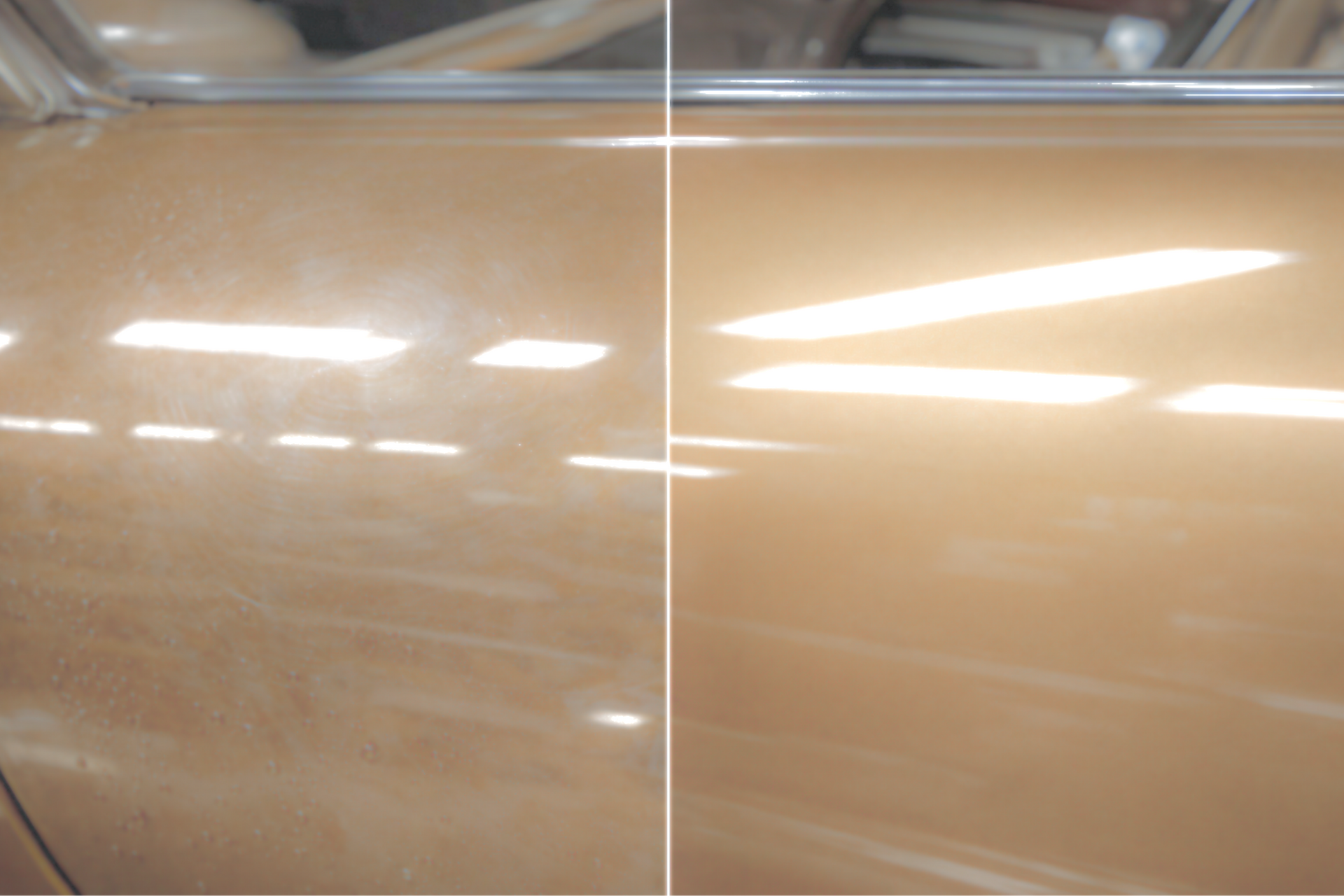
What paint correction cannot fix: deep scratches that have reached the primer or metal, rust, paint chips that have broken through the surface, or structural damage to the paint film. If the damage goes through the paint, correction cannot reverse it.
SINGLE-STAGE PAINT EXPERTISE
Single-Stage Paint Correction For Classic Vehicles
Single-stage paint correction is fundamentally different from correction performed on modern clear coat systems, and most detailers have only worked on one of them.
Modern vehicles use a two-layer system. The base coat carries the color. The clear coat sits on top of it as a transparent protective layer. When paint correction is performed on a modern vehicle, it is performed on the clear coat. The color layer is protected underneath it. Heat, compound aggressiveness, and removal rate are calibrated for clear coat behavior.
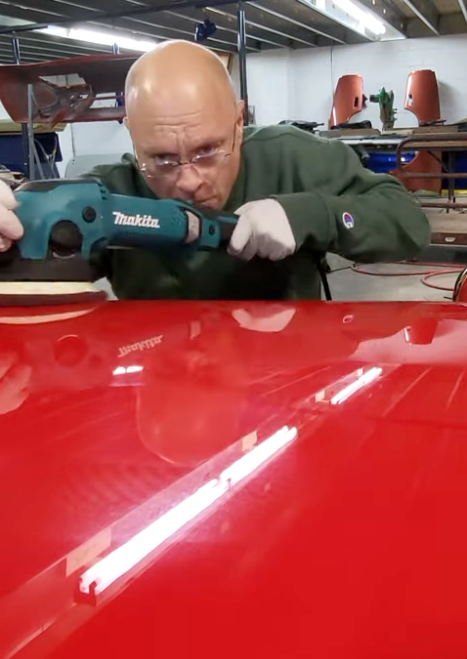
Classic vehicles built before the mid-1980s typically used single-stage lacquer or enamel. In a single-stage system, the color and the gloss exist in the same layer of paint. There is no separate clear coat. Correction is applied directly to the paint that carries the color. Everything changes: the compounds, the pad selection, the machine speed, the heat management, and the pressure applied.
Working too aggressively on a single-stage classic removes pigment and gloss that cannot be replaced. There is no clear coat layer acting as a buffer between the machine and the color. Original lacquer and enamel on a classic vehicle is not the same as a modern respray. A fresh respray can be corrected more aggressively if needed. Original paint, once removed, is gone permanently.
Before I perform paint correction on any classic vehicle, I assess the paint type, measure thickness in multiple panels, and perform a test polish in a small area to understand exactly how the paint responds to correction. The process is calibrated to that specific vehicle and that specific paint. It is not a standard protocol applied regardless of what is on the car.
If you own a classic vehicle with original single-stage paint and someone is about to perform paint correction on it, they should be able to explain the difference between the two systems before they touch it. If they cannot, do not let them start.
THE PROCESS
How Paint Correction Works
Paint correction is not a single step. The number of stages depends on the condition of the paint, the paint system, and the level of correction required. Each vehicle is inspected first so the proper correction process can be applied to that specific paint.
Paint Assessment
Before anything touches the paint, paint thickness is measured across every panel. I am looking for previous respray work, thin areas, and the type of paint system on the vehicle. Single-stage lacquer and enamel respond differently than modern clear coat. That determines the compounds, pads, machine speed, and level of correction the paint can safely tolerate.
Decontamination
The paint surface is washed, clayed, and chemically decontaminated before correction begins. Bonded contaminants left on the surface during machine polishing can create additional marring and interfere with the correction process. The paint must be fully clean before any machine work starts.
Compounding
A cutting compound removes deeper paint defects such as oxidation, spider webbing, and heavy swirl marks. This stage levels the paint surface. On single stage paint, compound selection and machine settings are calibrated specifically for that paint system.
Polishing
After compounding, I follow up with a finer polish to refine the surface and clear any light marking left behind from the cutting stage. This is where clarity, depth, and gloss come back. Some vehicles need more than one polishing stage to get there. It depends on the paint.
Final Inspection
The corrected paint is inspected under multiple light sources to confirm defect removal and surface quality before any coating or film is applied. If the surface is not ready, additional correction continues. NanoPro® ceramic coating or Liquid PPF is applied when the paint is right, not on a schedule.
The paint correction stage typically takes five to seven hours. Machine polishing then requires another four to six hours. Vehicle size, paint condition, and the type of paint system determine the final timeline. Vehicles are corrected carefully, not rushed through a production schedule.
THE PREREQUISITE
Why Paint Correction Must Come Before Ceramic Coating Or Liquid PPF
Ceramic coating and liquid paint protection film bond directly to the paint surface. They do not remove spider webbing, swirl marks, oxidation, or other defects already present in the finish. Whatever condition the paint is in before protection is applied is the condition that will remain once the coating cures.
This is why every NanoPro Borograph ceramic coating and every NanoPro LPF installation I perform begins with mandatory two-step paint correction. Correction is not an optional add-on. It is the step that prepares the surface so the protection bonds correctly and the finish looks the way it should.
If defects remain in the paint before NanoPro Borograph or NanoPro LPF is applied, those defects remain visible beneath the protection. The protection is only as good as the surface underneath it.
WHO I WORK WITH
Paint Correction For Classic, Collector, Performance, & New Vehicles
Classic Cars
Single-stage lacquer and enamel on classic vehicles require a correction process that accounts for the absence of a clear coat layer. I have worked on both paint systems extensively. Every classic vehicle is assessed individually before correction begins.
Collector & Performance Cars
Paint condition on a collector vehicle affects its value. Correction performed before coating documents the work done and the standard it was held to. That record follows the vehicle.
New Vehicles
New paint is not defect-free paint. Transport handling, assembly, and dealer preparation introduce spider webbing and swirl marks before delivery. Correcting those defects before ceramic coating is applied means the coating bonds to clean paint, not trapped damage.
WHAT PEOPLE SAY
Reviews
"Fantastic experience and service provided with next level care! If you appreciate a thorough job accompanied by keen attention to detail, obvious pride and expertise, do yourself a favor and reach out to Steve! Product and work is also backed by a 10-year warranty and worth every penny! The car looks beautiful and I’m over the moon! Thanks so much, Steve!"
-Jorge Blassino | 2025 Lexus ES 150 | Paint Correction + Ceramic Coating | Palm Harbor, FL
"Steve did an amazing job on our BMW and Acura! He has great attention to detail and thoroughness. I love how smooth the car is to the touch. It feels like you’re running your hand over silk. He coats everything including the windows. The water beads off the window so driving in the rain is easier. I’m very pleased with the results and the service."
-Nicholas Potnis | 2019 BMW M850i | Paint Correction + Ceramic Coating | Palm Harbor, FL
"Thanks for all the hard work from Steve at Resurrection Auto Detailing L.L.C !! Steve treats all of his work as if it's his own car. We all know how much we care about our cars and who is going to touch them. Rest assured, Steve is a true professional and I have all the trust in his work. He has been doing this for more than 20 years! This was the 4th time I used his services and he is always reliable and trustworthy!"
-Thomas Hughes | 2024 Chevrolet Corvette Z06 | Paint Correction + Ceramic Coating | Palm Harbor
FAQ'S
Frequently Asked Questions
What is paint correction?
Paint correction is a multi-stage machine polishing process that removes surface defects from automotive paint. Swirl marks, spider webbing, oxidation, light scratches, and wash damage are compounded and polished out of the paint surface until clarity and reflectivity are restored. It is always performed before ceramic coating or liquid paint protection film is applied.
How much does paint correction cost?
Cost depends on the condition of the paint, the paint system, and the number of correction stages the vehicle requires. A vehicle with heavy oxidation, spider webbing, and deep swirl marks requires more work than one with light surface marring. Call me to schedule a free evaluation.
Is paint correction safe for single-stage paint on a classic car?
Yes, when performed correctly. Single-stage lacquer and enamel require different compounds, pad selection, and machine settings than modern clear coat. I assess the paint before correction begins and calibrate the process to the specific paint system. Applying modern clear coat correction techniques to single-stage paint removes material that cannot be replaced. I have worked on both systems extensively.
Do I need paint correction before ceramic coating?
Yes. Ceramic coating bonds to the surface it is applied to. Defects present before the coating is applied, are sealed in permanently once it cures. Every ceramic coating and liquid PPF application I perform starts with paint correction. There are no exceptions.
How long does paint correction take?
Depending on the size of the vehicle and the condition of the paint, a full paint correction typically takes one full day or longer. Single-stage correction on a classic vehicle with original paint requires additional time for assessment, test polishing, and careful calibration of the process. I do not rush the correction stage. The coating is applied when the paint is ready.
Can paint correction remove deep scratches?
Paint correction removes defects that are in the paint surface, not through it. Swirl marks, spider webbing, light scratches, oxidation, and surface marring can be corrected. Deep scratches that have reached the primer or metal, rust, or paint cracks that have broken through the surface cannot be corrected through polishing. I assess the paint before starting and tell you what is correctable and what is not.
Do you come to my location for paint correction?
Yes. I come to your location and you can watch what is happening to your vehicle as it is transformed. All services, including paint correction, are performed at your location by appointment. No shop, no drop-off. I work at your home, your garage, or your storage facility throughout Pinellas County and Tampa Bay.
WHERE I WORK
Service Area
Paint correction services are provided throughout Pinellas County and the Tampa Bay area including Tampa, Clearwater, St. Petersburg, Palm Harbor, and Tarpon Springs. All work is performed at your location so your vehicle stays at home where it belongs during the correction process. There is no shop drop off and no transport required.
For classic, restomods, performance and collector vehicles outside this area, call and we can discuss travel within Florida.
GET STARTED
Ready to Talk About Your Vehicle?
Paint correction first. Then NanoPro LPF or NanoPro Borograph ceramic coating.
Steve Calafato | NanoPro Certified Expert | Pinellas County & Tampa Bay
TAP TO CALL | BY APPOINTMENT