What Is Liquid PPF? The Complete Guide to Liquid Paint Protection Film
No Seams. No Edges. No Shop Drop Off. Here Is How It Works.
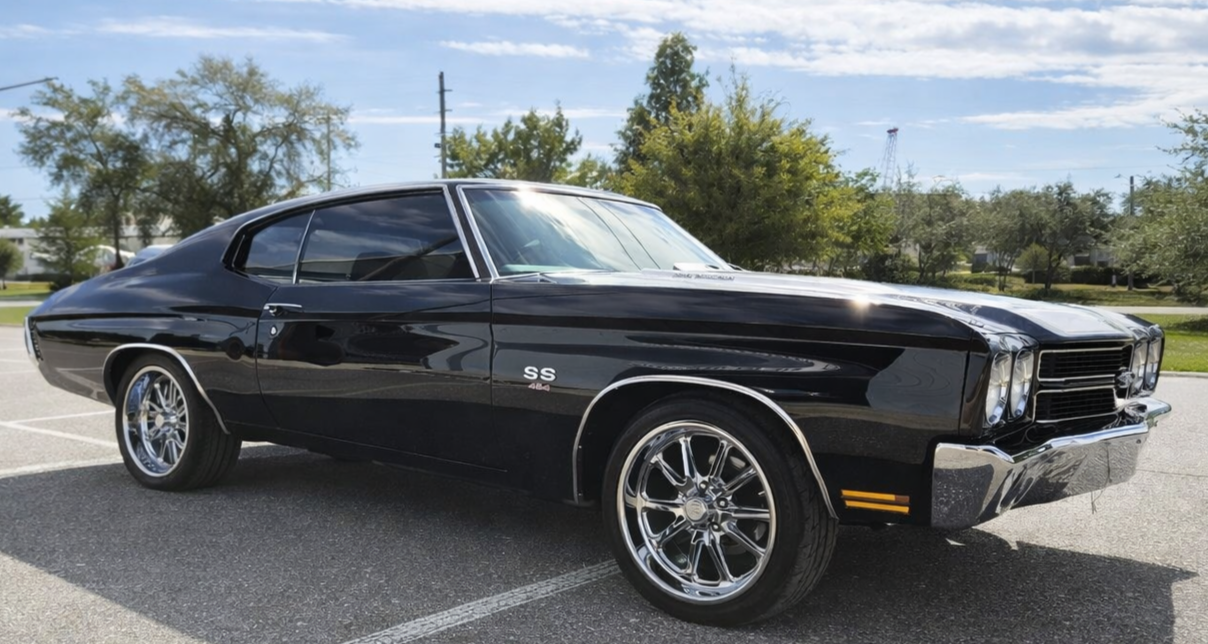
Liquid PPF, short for liquid paint protection film, is defined by NanoPro® as:
“A flexible polyurethane and acrylic PPF in a liquid state, that will cure out to a solid state paint protection film. No more seams, lifting, or exposed edges.”
-NanoPro®, manufacturer of NanoPro® LPF Accelerate
In practical terms, liquid PPF is applied in liquid form, cures into a solid protective layer, and creates a continuous surface with no visible seam lines or panel transition marks anywhere it is installed.
I apply this system on classic, collector, performance, new and high end vehicles throughout Pinellas County and the greater Tampa Bay area, where preserving factory body lines and properly corrected paint is the priority.
This guide explains how liquid PPF works, how it differs from traditional PPF and ceramic coating, what the material is made of, where it is typically applied, and which vehicles are appropriate candidates.
Where Liquid PPF Is Applied
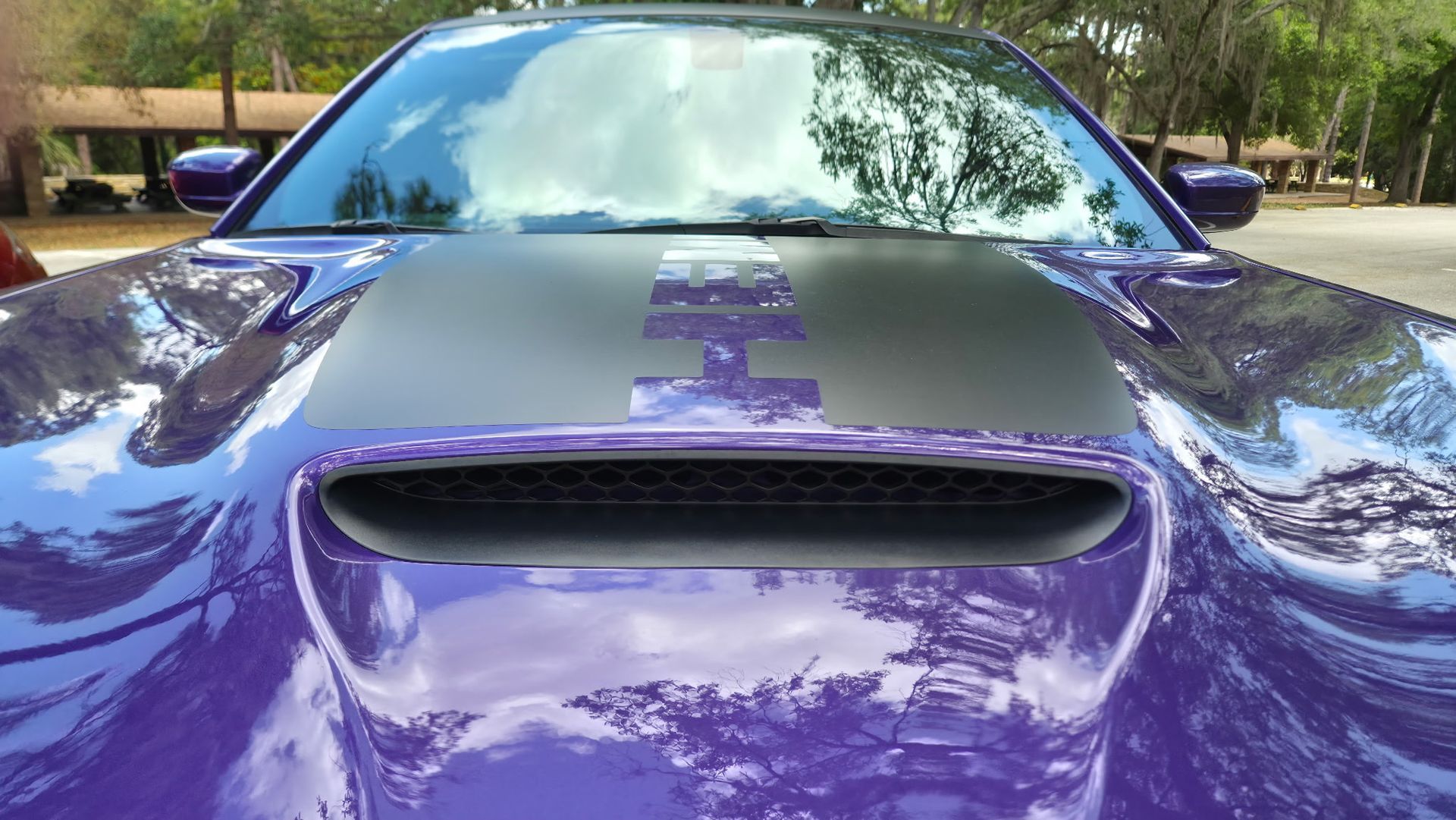
The primary application area for liquid PPF is the front end of the vehicle: hood, front bumper, front fenders, side mirrors, and A pillars. These panels receive the highest impact from road debris, rock chips, ultraviolet exposure, and environmental contamination. They are also the areas where traditional PPF seam lines are most visible and most prone to lifting over time.
Because liquid PPF is installed in liquid form and cures into a continuous film, there are no cut lines or panel edges within the treated area, regardless of surface complexity. Whether the surface includes compound curves, recessed housings, or sculpted transitions, the coverage remains seamless.
Whole vehicle liquid PPF coverage is available for show cars, concours vehicles, and collector vehicles where complete surface continuity is the objective. The front end remains the most common application because that is where road damage begins first.
How Liquid PPF Works
Traditional paint protection film begins as a manufactured sheet of polyurethane. It is plotter cut to match specific panels and installed piece by piece. Each piece has defined edges where the material begins and ends. Over time, those edges can become visible, collect contamination, or begin lifting depending on exposure and aging.
Liquid PPF functions differently. The product is applied directly to properly prepared paint in liquid form. It bonds to the paint surface, levels evenly across the treated area, and cures into a flexible, solid protective layer with no transition points between sections.
The chemistry is a polyurethane and acrylic blend rather than polyurethane alone. This increases tensile strength in the cured film and allows it to flex with the paint surface during temperature changes and physical stress rather than working against it.
In Florida’s sustained heat and ultraviolet exposure, flexibility and adhesion performance are practical concerns, not theoretical ones. In Pinellas County and Tampa Bay, where vehicles sit in direct sun for eight to ten months of the year, that distinction is relevant every day.
What NanoPro® LPF Accelerate Is Made Of
NanoPro® LPF Accelerate is the product I apply. It is a polyurethane and acrylic blend manufactured in Boynton Beach, Florida and formulated specifically for Florida’s ultraviolet intensity, sustained heat, and humidity. That regional formulation matters in a climate where prolonged sun exposure and elevated surface temperatures are routine.
NanoPro® products are manufactured in the United States and distributed exclusively through certified professional installers. This is not a retail shelf coating. It is engineered for professional application under controlled preparation standards.
NanoPro® LPF Accelerate carries a ten year manufacturer warranty when combined with NanoPro® Borograph ceramic coating applied over the cured film. LPF alone provides protection. The full system qualifies for extended coverage under NanoPro’s highest protection tier.
Which Vehicles Are the Right Candidates
Liquid PPF is not appropriate for every vehicle. Selecting the right candidates protects the result. Strong candidates include:
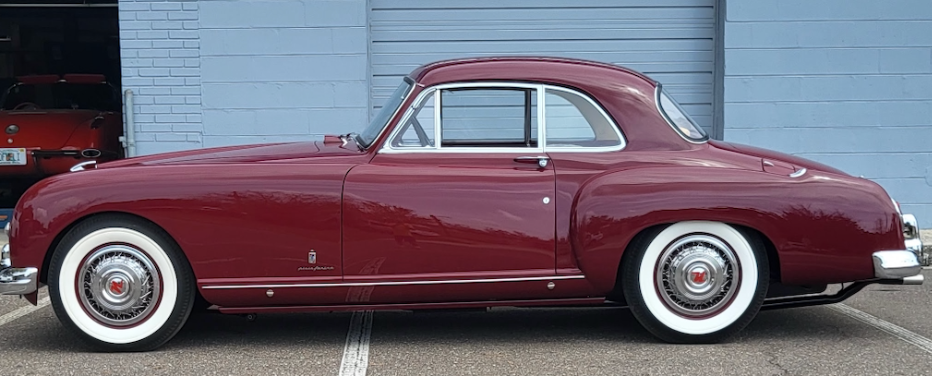
- Classic, restomods, and collector vehicles where visible seam lines would compromise originality
- Show cars requiring seamless front end or full vehicle coverage
- Performance vehicles with complex panel geometry
- New vehicles seeking day one protection
- Owners combining liquid PPF with NanoPro® Borograph ceramic coating for maximum long term protection
Vehicles that may not be appropriate include:
- Daily drivers focused strictly on lowest cost options
- Vehicles with active rust, failing clear coat, or structural paint damage
- Surfaces that cannot be corrected to the required standard prior to installation
Every vehicle is evaluated before scheduling. If the paint condition does not meet installation standards, I will not proceed. That selectivity is part of maintaining consistent results.
Why Paint Correction Is Required Before Liquid PPF
Liquid PPF bonds directly to the paint surface it is applied to. It does not conceal defects. It preserves whatever is underneath.
If swirl marks, spider webbing, oxidation, sanding haze, or light scratches are present at the time of installation, those imperfections will remain visible after the film cures. In many cases, the increased clarity created by the LPF will make those flaws more noticeable rather than less.
For that reason, professional paint correction is required before liquid PPF is installed. The correction process removes surface defects and levels the paint. The polishing stage refines clarity and establishes the smoothness required for proper adhesion. This preparation determines both the appearance and the durability of the final result.
On a front end application, correction is performed on the panels being treated. On a full vehicle application, preparation alone can require seven to nine hours before any protective layer is applied.
This is not an add on service. It is the foundation of the system.
Frequently Asked Questions About Liquid PPF in Tampa Bay
What is Liquid PPF
Liquid PPF is a polyurethane and acrylic paint protection film applied in liquid form that cures into a seamless, flexible protective layer directly on automotive paint. Unlike traditional pre cut film, it does not create visible seams or panel transition lines within the treated area.
Where is liquid PPF applied?
Liquid PPF is most commonly applied to the front end of a vehicle, including the hood, front bumper, fenders, mirrors, and A pillars. These panels experience the highest exposure to road debris, ultraviolet radiation, and environmental contamination. Full vehicle coverage is available for show cars and collector vehicles where complete surface continuity is desired.
Does liquid PPF require paint correction before installation?
Yes. Paint correction is required prior to installation to remove surface defects, refine clarity, and establish the proper surface condition for adhesion. Liquid PPF preserves the paint beneath it, so preparation directly determines the final visual result.
How does liquid PPF differ from traditional paint protection film?
Traditional paint protection film is installed in pre cut sections and contains defined panel edges. Liquid PPF is applied in liquid form and cures into a continuous film within the treated area. The primary difference is the absence of visible seam lines and transition points.
Is liquid PPF the same as ceramic coating?
No. Liquid PPF forms a physical protective film layer over the paint surface. Ceramic coating is a thinner protective layer designed primarily for chemical resistance and ease of cleaning. When combined, liquid PPF provides impact protection while ceramic coating enhances surface durability and hydrophobic performance.
What is NanoPro® LPF?
NanoPro® LPF is the liquid PPF product I apply. It is a polyurethane and acrylic blend manufactured in Florida and formulated for high heat, sustained ultraviolet exposure, and humidity. It is a two step process and when combined with NanoPro Borograph ceramic coating, it carries a ten year manufacturer warranty.
How long does liquid PPF last?
Longevity depends on environmental exposure, maintenance practices, and whether the full NanoPro system is installed. When combined with NanoPro Borograph ceramic coating, NanoPro LPF Accelerate carries a ten year manufacturer warranty.
Can liquid PPF be removed?
Yes. Liquid PPF can be removed through professional processes if necessary. Removal procedures differ from conventional adhesive backed film systems and are evaluated based on the age and condition of the installation.
Can liquid PPF be applied to classic single stage paint?
Yes, provided the paint condition supports proper correction. Single stage paint systems require a different correction approach than modern clear coat systems, and each vehicle is evaluated individually before approval.
Is liquid PPF suitable for daily driven vehicles?
Liquid PPF is appropriate for daily driven vehicles that maintain a sound, correctable paint surface. Vehicles with advanced paint failure, corrosion, or structural damage do not qualify for installation. Each vehicle is evaluated and approved based on condition and preservation standards.
Share
GET STARTED
Your Vehicle
Your Location
My Standards
Paint correction. NanoPro LPF. NanoPro Borograph ceramic coating.
Steve Calafato | NanoPro Certified Expert | Pinellas County & Tampa Bay
TAP TO CALL | BY APPOINTMENT