Why Liquid PPF Is the Only Paint Protection That Makes Sense for a Restomod
Conventional PPF leaves visible seam lines, requires body disassembly, and takes three days. Liquid PPF does none of that.
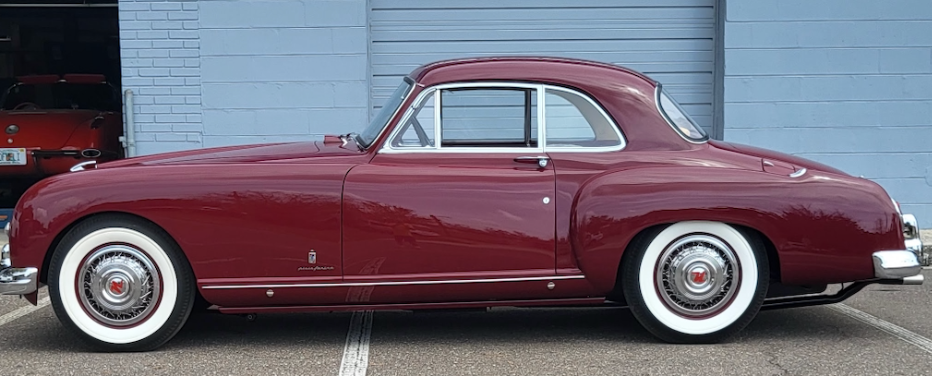
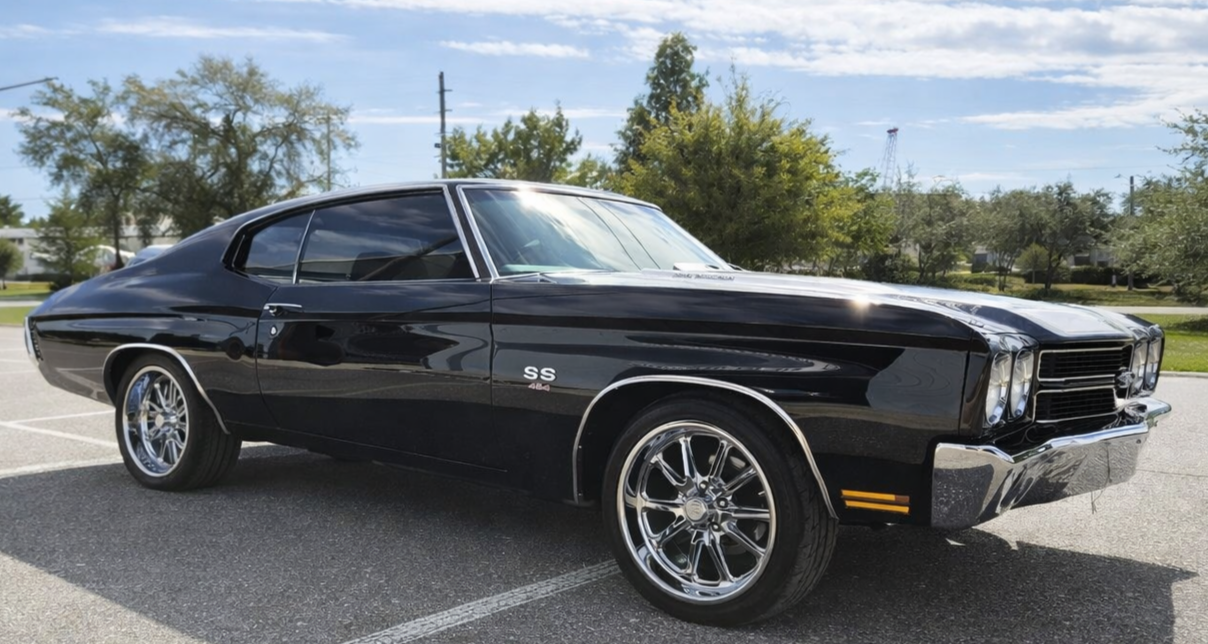
A restomod is a restored and modified classic vehicle with fresh paint, new mechanicals, and significant money invested in every detail. Liquid paint protection film is the only paint protection option that protects the front end of a restomod without visible seam lines, without removing body panels, and without a multi-day shop visit. Conventional PPF cannot make that claim.
Why Conventional PPF Has Never Been the Right Answer for a Restomod
A restomod owner puts serious money into the build. New paint. New engine. New transmission. New suspension. By the time the restoration is finished, the budget is stretched and the vehicle represents years of work and decision-making.
Then comes the paint protection conversation.
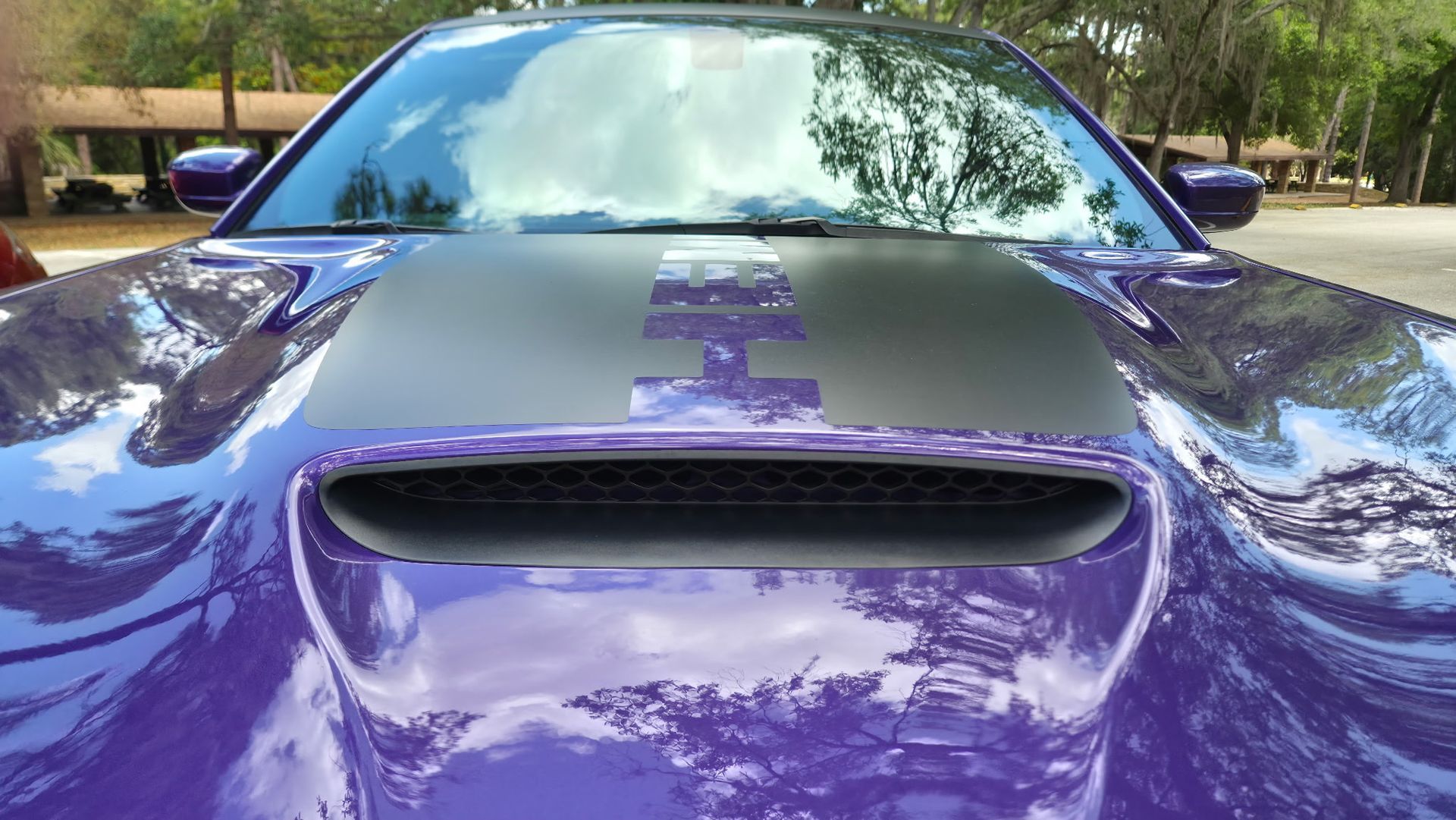
Conventional PPF has one problem that ends the discussion for most restomod owners before it starts. The seam line. Conventional film is cut from sheets by computer software for specific panel shapes. Every panel has an edge. Every edge leaves a visible line somewhere on the vehicle. On a fresh restomod hood, that line is not a trade-off. It is a defect applied to paint that did not have a line before it left the restoration shop.
The appearance problem is one thing. The installation problem is another.
For full front-end coverage with conventional PPF, some shops remove the front fenders, hood, and body trim entirely. The film is wrapped behind these panels so no edges are visible. That means the screws, fasteners, and clips holding the front end together are removed and reinstalled by a PPF technician. On a vehicle that just went through a full restoration, that is not an acceptable risk. Front-end rattles, misaligned panels, and compromised fasteners are real outcomes of this process. Restomod owners who just spent years getting every detail right are not interested in handing that work to a film installer with a heat gun.
What NanoPro LPF Does That Conventional Film Cannot
NanoPro LPF is applied in liquid form and cures into a seamless solid-state film directly on the paint. Because it starts as a liquid it conforms to every surface geometry — compound curves, body line transitions, recessed edges, emblem surrounds, fender corners. There are no panels to cut and no edges to tuck. The film follows the shape of the vehicle.
The result is complete edge-to-edge coverage with no visible seam line anywhere on the paint. No line across the hood. No exposed gap near fender emblems. No unprotected area at body corners where road debris concentrates.
No body panels are removed. No fenders come off. No hood fasteners are touched. The structural integrity of the restoration stays exactly as it was when the vehicle left the shop.
NanoPro LPF vs Conventional PPF: What the Installation Actually Looks Like
NanoPro LPF Application and cure time is approximately three hours for standard front-end coverage — hood, front bumper, and both front fenders. I come to your location. The vehicle stays in your garage. You watch every step if you want to. No shop drop-off. No arranging transportation. No waiting. No body parts removed.
Conventional PPF Measuring, cutting, application, and cure time for conventional PPF typically runs three to four days at a shop. That means arranging drop-off, arranging a ride home, and arranging pick-up when the job is done. When you collect the vehicle, the first things to check are whether there are wrinkles or bubbles in the film, whether all body fasteners have been reinstalled correctly, and whether the front end is rattle-free when you start the engine.
Those are checks that should not be necessary after a paint protection installation. They are the reality of a process that requires disassembly.
What Each Option Costs
NanoPro LPF for a full front end, hood and both front fenders, runs between $1,500 and $2,000. Conventional PPF for the same coverage, with the additional labor required for full edge coverage, typically ranges from $2,000 to $3,000.
For a restomod owner whose budget has already absorbed the cost of a full restoration, the price difference matters. The absence of seam lines, body disassembly, and a multi-day shop visit matters more.
Documentation That Stays With the Vehicle
When NanoPro LPF is combined with NanoPro Borograph ceramic coating applied over the cured film, the installation qualifies for Permanent Status and is registered on the vehicle CARFAX report. The record shows the work performed, the products used, the certified installer, and the date.
For a restomod that will eventually change hands, that documentation is part of what the paint protection is worth. A future buyer sees verified proof of professional-grade protection applied to correctly prepared paint. That is not a verbal claim. It is a permanent record.
Is NanoPro LPF Right for Your Restomod?
NanoPro LPF is the right choice for restomod owners who want front-end paint protection with no visible seam lines, no body disassembly, no multi-day shop visit, and a price point that fits a post-restoration budget.
It is not the right choice if the paint has not been properly corrected first. NanoPro LPF is transparent and bonds directly to the paint surface. Whatever defects exist in the paint when the film is applied stay there after it cures. Paint correction comes first. The film goes on after the surface is ready.
If you have a restomod with fresh paint and you want to protect it correctly, call and describe the vehicle. The process starts with a conversation about the paint condition and what the vehicle needs.
Frequently Asked Questions
What is a restomod?
A restomod is a classic vehicle that has been restored to original or better condition and modified with modern mechanicals, typically a new engine, transmission, brakes, and suspension. Restomods combine classic appearance with modern performance. The investment in a restomod build is significant, which makes paint protection a serious consideration once the restoration is complete.
Why is conventional PPF not ideal for restomods?
Conventional PPF leaves visible seam lines on the hood and fenders that did not exist before the film was installed. For complete edge-to-edge coverage, some installers remove front fenders, hoods, and body trim entirely, which compromises the fasteners and structural integrity of a freshly restored vehicle. Most restomod owners find both outcomes unacceptable.
Does liquid PPF leave visible seam lines on a restomod?
No. NanoPro LPF is applied in liquid form and cures in place on the paint. Because it starts as a liquid it conforms to every surface geometry including compound curves, fender edges, and emblem surrounds without cutting or trimming. There are no panel edges and no visible seam lines anywhere on the paint.
Does liquid PPF require removing body panels?
No. NanoPro LPF is applied directly to the painted surface without removing hoods, fenders, or body trim. All body parts stay in place. The structural integrity of the restoration is not compromised at any point during the installation.
Can liquid PPF be combined with ceramic coating on a restomod?
Yes. When NanoPro LPF is applied first and NanoPro Borograph ceramic coating is applied over the fully cured film, the installation qualifies for Permanent Status under the NanoPro system. Both products carry independent 10-year manufacturer warranties.
Do you come to my location for restomod liquid PPF?
Yes. All work is performed at your location throughout Pinellas County and Tampa Bay by appointment. The vehicle stays in your garage. No shop drop-off, no transport risk, no arranging transportation.
FAQs
Before You Spend Thousands On Paint Protection
If you have a restomod with fresh paint and want to understand whether NanoPro LPF is the right fit, call and describe the vehicle and the paint condition. That conversation costs nothing and takes five minutes.
Steve Calafato | NanoPro Certified Expert | Resurrection Auto Detailing LLC 727-823-2500 | Pinellas County and Tampa Bay
Share
GET STARTED
Your Vehicle
Your Location
My Standards
Paint correction. NanoPro LPF. NanoPro Borograph ceramic coating.
Steve Calafato | NanoPro Certified Expert | Pinellas County & Tampa Bay
TAP TO CALL | BY APPOINTMENT