The Real Cost of Conventional PPF Removal After a Collision
Removing Conventional PPF After a Collision Can Cost Up To $1,000 In Labor Before the Actual Body Repair Even Begins.
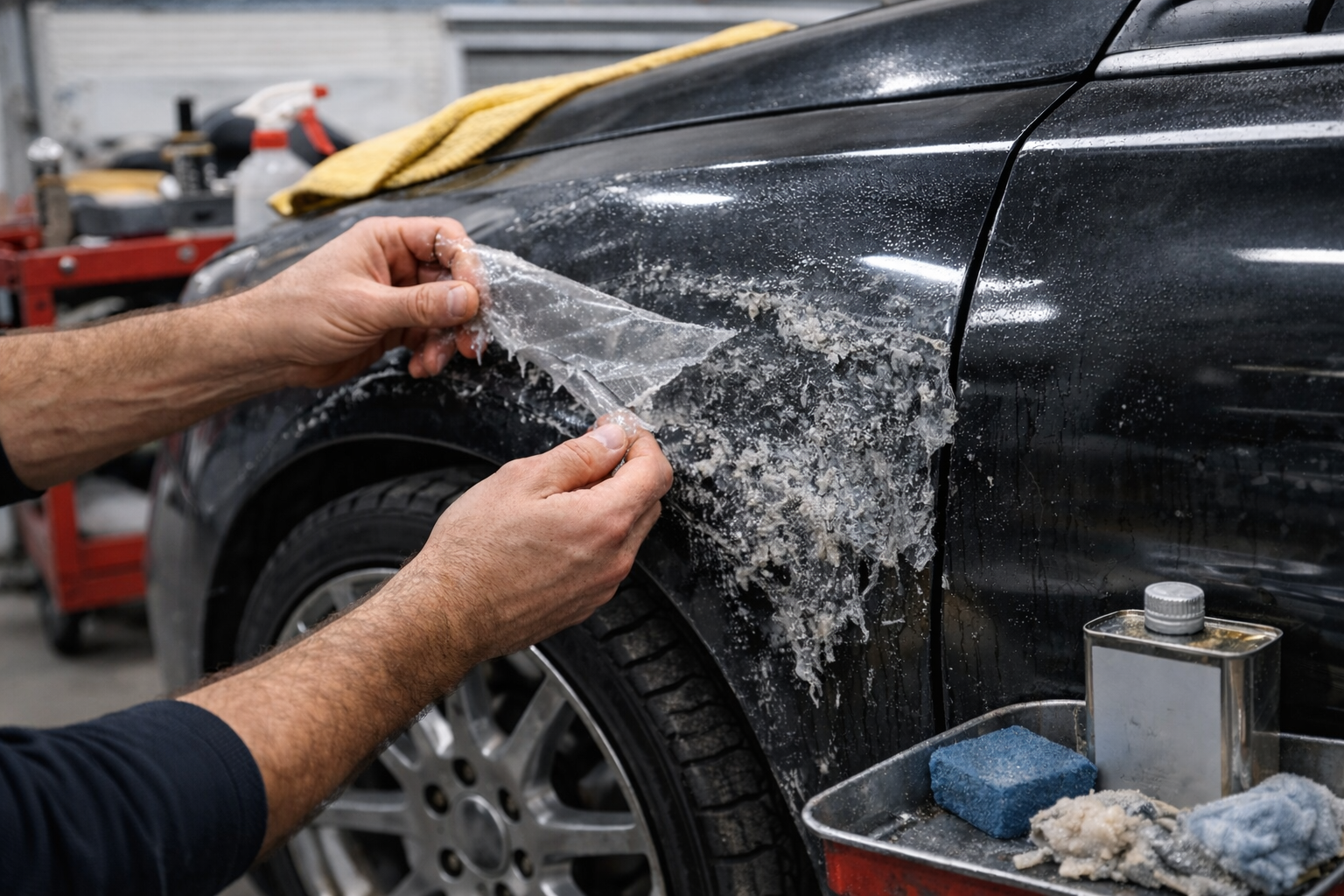
Conventional paint protection film uses a pressure-sensitive adhesive called PSA on its backside to bond to the paint.
PSA was designed to stay on the vehicle permanently. It was never designed to come off. That becomes a serious problem after a collision.
When a damaged panel needs body repair or repainting, the conventional PPF has to be removed first. Removing that film can cost up to $1,000 in labor before the actual collision repair even begins. That is the part most vehicle owners are never told.
What Makes Conventional PPF So Difficult To Remove?
PSA stands for pressure-sensitive adhesive. It is the adhesive layer on the backside of conventional PPF that bonds the film to the paint surface. When the film is first installed, that permanent bond is exactly what you want. The problem is that permanent means permanent.
Conventional PPF is installed with the assumption that it will never need to come off. Most of the time, it does not. But if the vehicle is involved in a collision and the body shop has to repair or repaint a panel, the film has to be removed before the repair can begin.
That is where the trouble starts.
A one-year-old installation is easier to remove than a five-year-old installation. As conventional PPF ages, the PSA adhesive changes. It becomes harder, more brittle, and more aggressive. After several years, the adhesive can feel more like concrete than adhesive.
Why Body Shops Dread Conventional PPF Removal
Removing conventional PPF is rarely as simple as peeling it off. The process often involves:
- Pulling and stretching the film
- Twisting the film to break it loose
- Heating the surface with a heat gun
- Applying adhesive remover such as Xylene
- Rubbing and cleaning heavy adhesive residue from the paint
Sometimes one of those methods works. Sometimes all of them are needed. Even after the film comes off, the PSA adhesive often stays behind in thick, spotty patches that must be removed without damaging the paint underneath.
The closest comparison is trying to remove an old bumper sticker that has been on a vehicle for eight years. The sticker comes off in pieces, the adhesive remains, and what should have been simple turns into a frustrating, time-consuming job. Conventional PPF creates the same problem, except on an entire fender, hood, bumper, or quarter panel.
How Much Labor Does Conventional PPF Removal Require?
Conventional PPF removal is usually not a one-person job.
Depending on the age of the film and how stubborn the PSA has become, body shops may need up to three technicians to handle the process.
- One technician pulling the film
- One applying adhesive remover
- One cleaning and removing the remaining residue
That means three employees are being pulled away from other jobs in the shop. The removal of one vehicle's PPF can affect the workflow of the entire body shop. The labor cost adds up quickly.
Conventional PPF removal after a collision commonly costs up to $1,000. In some cases, it can be more. Insurance may cover that cost, but it is usually treated as a separate labor item rather than part of the normal collision repair. If your vehicle currently has conventional PPF, talk to your insurance company now and ask how they handle post-collision film removal. Do not wait until after the accident.
How NanoPro LPF Is Different After A Collision
NanoPro LPF does not use PSA. It bonds to the paint through a curing process rather than a pressure-sensitive adhesive. That difference matters long after the product is applied. With conventional PPF, the adhesive is always there between the film and the paint. As the years pass, that adhesive becomes harder, more brittle, and more difficult to remove. After a collision, the body shop has to fight through that layer before any repair work can begin.
NanoPro LPF does not create that problem. Because there is no PSA adhesive, there is no permanent glue layer aging on the paint over time. There is no thick film that has to be peeled, stretched, heated, twisted, and dissolved with chemicals before the damaged panel can be repaired.
A body shop technician is not standing there with a heat gun in one hand, adhesive remover in the other, and pieces of stubborn film tearing apart in front of them. Instead, the panel can be repaired without the labor-intensive removal process conventional PPF creates. That matters for two reasons. First, it saves labor time and labor cost. The body shop is not tying up multiple technicians for hours just trying to gain access to the paint underneath the protection. Second, it reduces risk. Every time conventional PPF has to be heated, pulled, scraped, and chemically treated, there is a chance of damaging the paint underneath it. That risk becomes greater the older the film is.
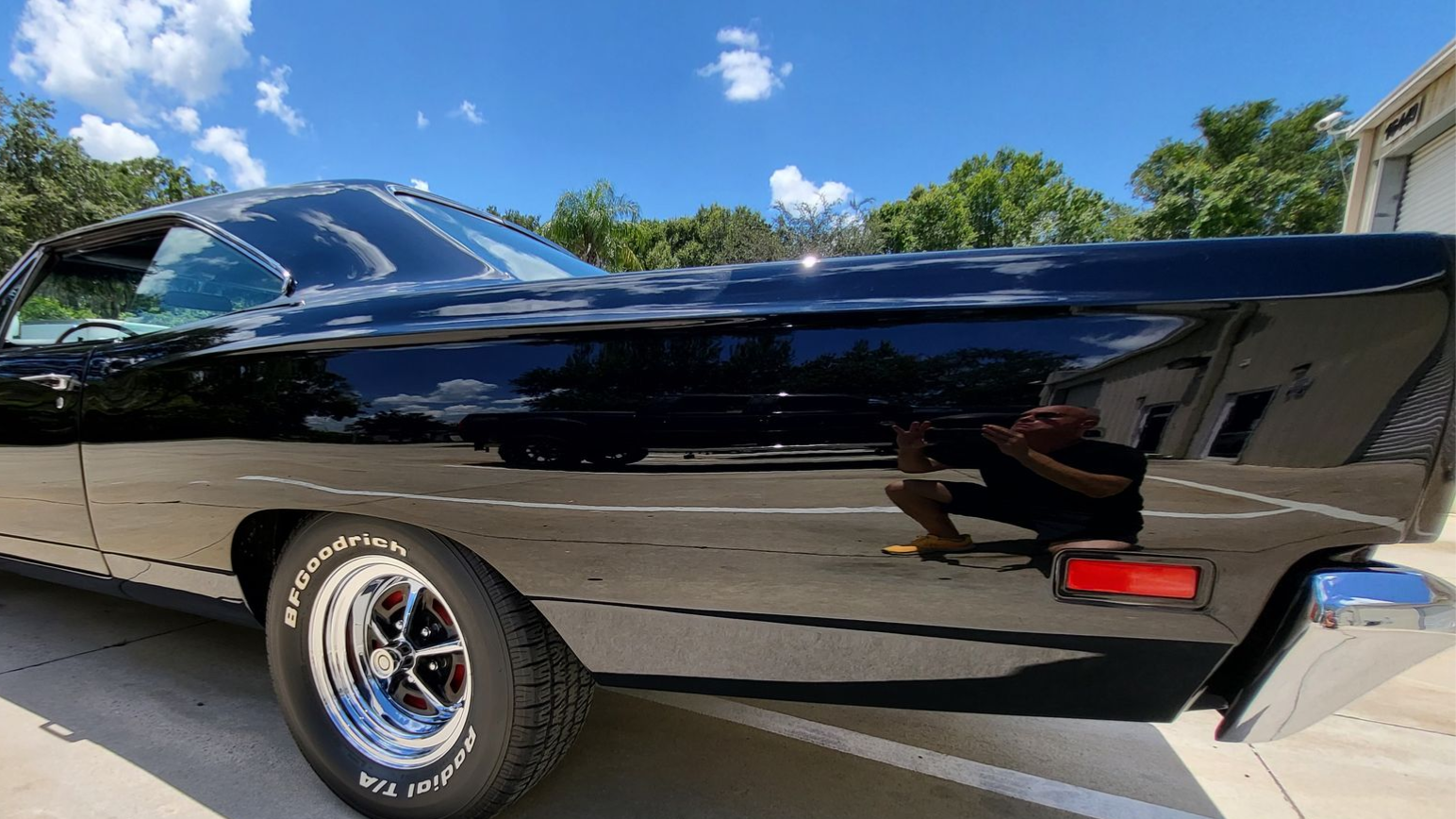
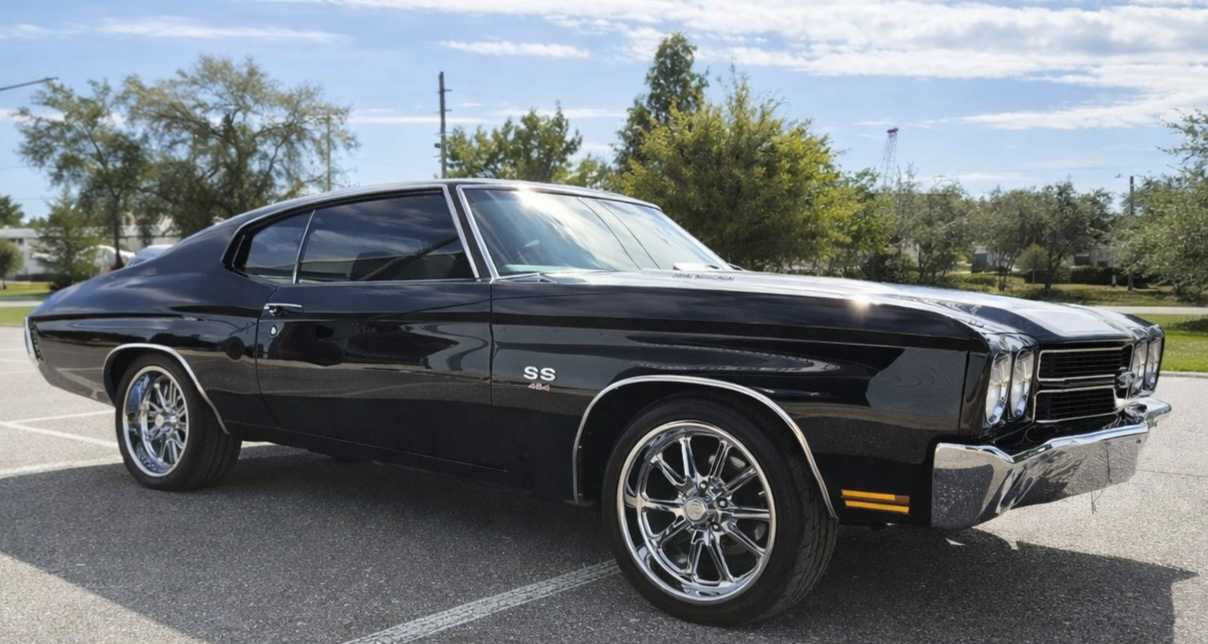
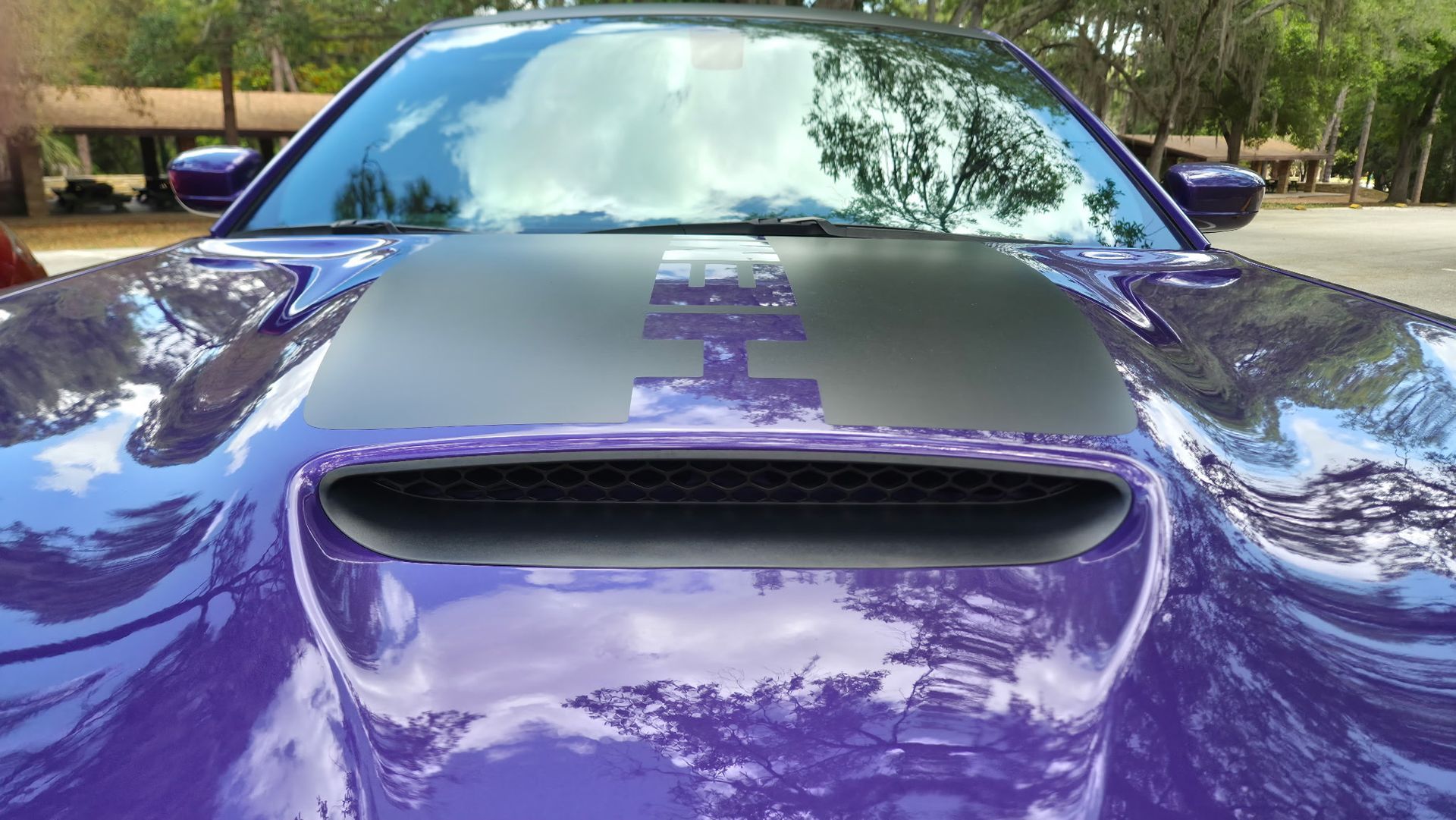
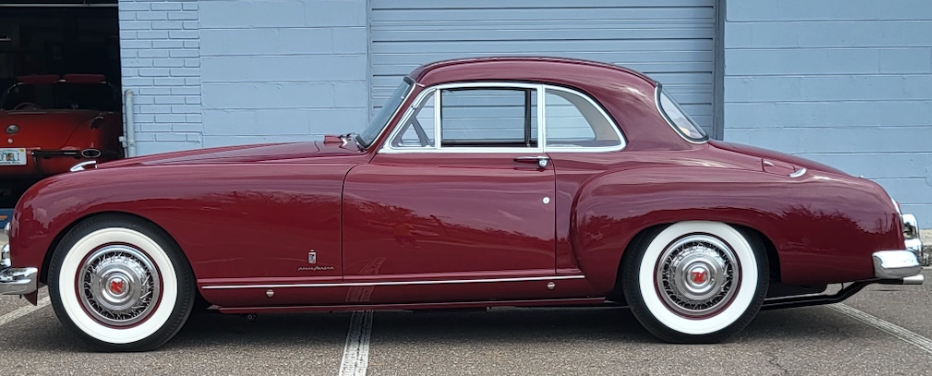
For a collector car, exotic, classic vehicle, or restomod where the paint may represent years of work and thousands of dollars, that is not a small issue. A custom-painted hood, a restored quarter panel, or a hand-finished show car fender can all be put at risk by the removal process itself. NanoPro LPF avoids that scenario.
When the collision repair is complete, the repaired panel can then be recoated with NanoPro LPF without dealing with the adhesive nightmare conventional PPF leaves behind. That is the difference between a straightforward repair and an expensive, time-consuming removal process that was never supposed to happen in the first place.
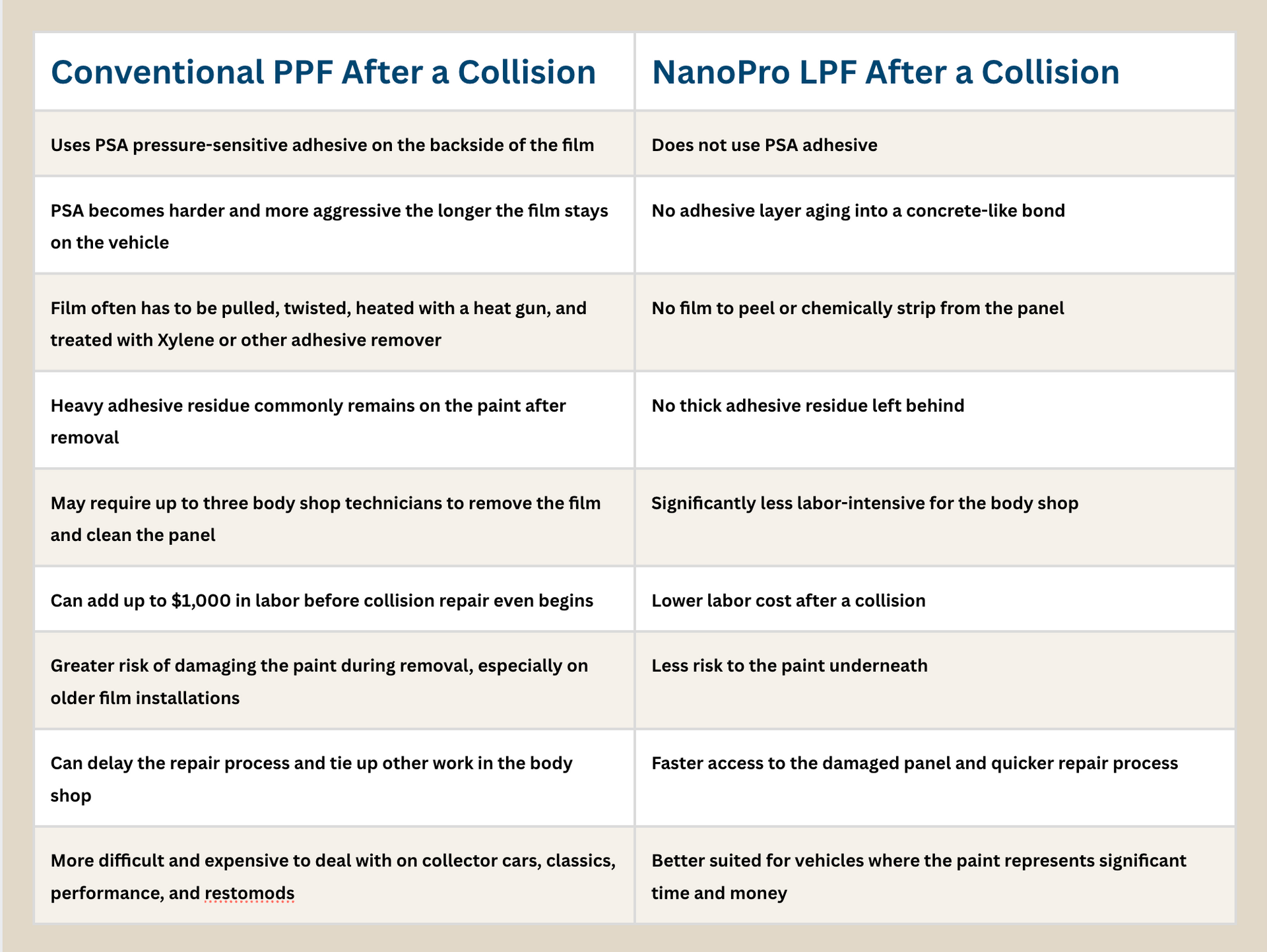
Conventional PPF vs NanoPro LPF After A Collision
What matters is that NanoPro LPF does not use PSA. It bonds to the paint through a curing process rather than a pressure-sensitive adhesive.
When a body shop needs to access the paint underneath NanoPro LPF after a collision, there is no PSA that has aged into a concrete-like adhesive.
There is no film that has to be lifted, heated, twisted, and chemically stripped from the panel. Body shops find NanoPro LPF significantly easier to work with after a collision because it avoids the labor-intensive removal process conventional PPF creates.
For a collector car, classic vehicle, exotic, or restomod where the paint may represent years of work and expense, that is not a small detail.
It is the difference between a straightforward repair and an expensive removal process that risks damaging the paint the film was supposed to protect.
FAQs
Frequently Asked Questions
How much does conventional PPF removal cost after a collision?
Conventional PPF removal commonly costs up to $1,000 in labor before the actual collision repair begins. The cost depends on how old the film is and how difficult the adhesive is to remove.
Does liquid PPF have the same removal problem as conventional PPF?
No. NanoPro LPF does not use PSA adhesive. It avoids the concrete-like adhesive buildup that conventional PPF develops over time, making it easier for body shops to work with after a collision.
What is liquid paint protection film?
Liquid paint protection film is a physical barrier applied in liquid form that self-levels across the paint and cures into a seamless solid-state film. Unlike conventional PPF which is cut from sheets and installed panel by panel, liquid PPF has no seams, no cut lines, and no visible panel edges. I apply NanoPro LPF, manufactured in Boynton Beach, Florida and formulated specifically for Florida UV, heat, and humidity.
How is liquid PPF different from conventional PPF?
Conventional PPF is installed from pre-cut sheets. Every panel has an edge and every edge leaves a visible seam line. NanoPro LPF starts as a liquid and cures in place directly on the paint. No panels to align, no seam lines, no visible edges. It conforms to compound curves, recessed areas, and body lines that conventional film cannot reach cleanly.
Share
GET STARTED
Your Vehicle.
Your Location.
My Standards.
Paint correction. NanoPro LPF. NanoPro Borograph ceramic coating.
Steve Calafato | NanoPro Certified Expert | Pinellas County & Tampa Bay
TAP TO CALL | BY APPOINTMENT